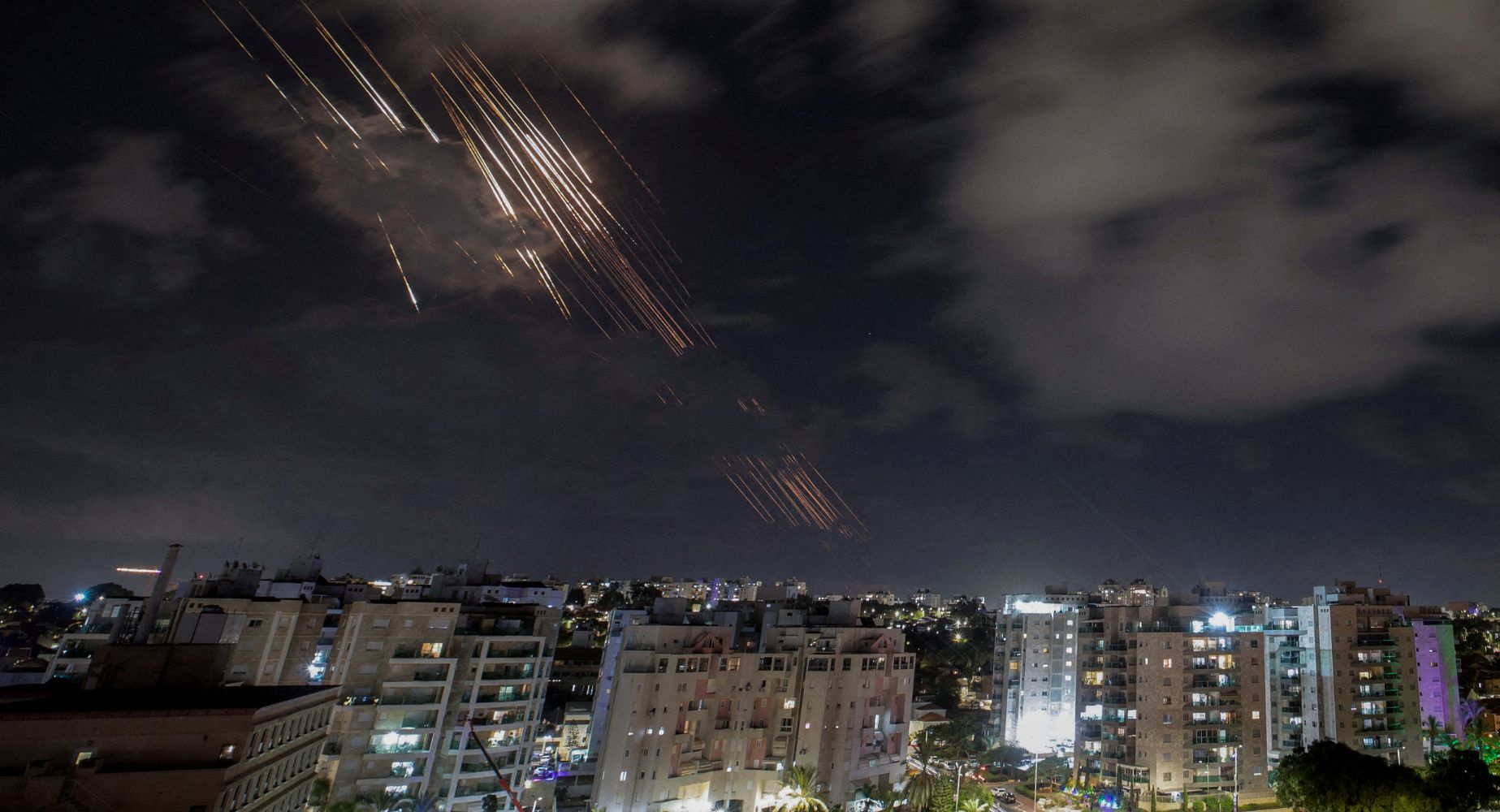
On August 2, 2026, President Donald Trump announced he was calling off a planned large-scale American strike on Iran, claiming the outlines of a framework deal had been reached with Tehran covering “the Immediate, Complete, and Total Opening” of the Strait of Hormuz and an end to Iran’s nuclear threat.
A senior Israeli official told CBS News that Jerusalem had in fact been left largely in the dark on the decision, with one official saying troops learned of the reversal from Trump’s own social media posts rather than through coordination channels.
This gap between the American and Israeli decision-making is not a communications glitch. It is the latest expression of a strategic divergence that has been building since the interim April 8 ceasefire collapsed weeks earlier.
Washington and Jerusalem are nominally on the same side of this conflict, but they are fighting it for different reasons. Trump has used sustained military pressure, including a campaign of nightly strikes inside Iran, as leverage to force Tehran back to the negotiating table and extract a deal on Hormuz and uranium enrichment, in order to end the conflict and preserve lower energy costs ahead of the U.S. midterm elections in November..
Saudi Crown Prince Mohammed bin Salman personally urged Trump in the days before the announcement not to bomb Iranian energy infrastructure, warning that hitting the Gulf’s oil and gas backbone risked a regional conflagration Riyadh could not contain.
For Washington and some of the Gulf states, the objective now is de-escalation through calibrated force: enough pain to bring Tehran to heel, not enough to blow up the wider neighborhood.
Israel’s calculus runs on a different track entirely. Destabilizing the Iranian regime to the point of collapse is the objective. Israel is flexible on how to pursue it, either by promoting economic blockade, or preparing for a possible return to war, but not one aimed at altering Iran’s behavior, but rather, striking at the Iranian leadership and dual use economic – military strategic targets that could cause the regime to spiral into collapse.
As such, the terms under which Israel would accept rejoining the war – assuming Iran does not attack it first – are significantly different from those that were weighed by Trump.
Israel has already absorbed missile fire on its cities in two prior rounds since 2025. Its government and defense establishment have no interest in a third round that ends the same way the first two did, leaving Iran’s leadership intact. While the first Iran War, Operation Rising Lion, significantly degraded the Iranian regime’s nuclear program, and the second, Operation Roaring Lion, degraded the missile program, military industrial complex, and leadership, any further major war would be aimed, from Israel’s perspective, at the regime’s existence itself as a primary goal.
If Israeli civilians are again asked to shelter from Iranian ballistic fire, the political and military logic in Jerusalem demands that the campaign target the regime’s most sensitive assets — its energy grid, energy export infrastructure, and its top leadership.
Attrition Is the Worst of Both Worlds
This is precisely why a Trump-style pressure campaign of graduated strikes, paused strikes, and diplomatic openings unsettles Israeli planners the most.
A low-grade war of attrition forces Israel to maintain permanent high alert, risk absorbing intermittent Iranian proxy fire through Iraq, Yemen, and potentially Lebanon, and risk being pulled into escalatory spirals it did not choose the timing of — all without the payoff of actually further degrading the regime’s capacity to threaten it long-term.
While Iran until now has intentionally refrained from targeting Israel in its latest escalation with the U.S., which is designed to secure its control over Hormuz and distract from the nuclear issue, the Islamic Republic continues to threaten Israel directly, and issue calls for its destruction.
IRGC General Rassul Sanairad warned on August 1, 2026 that any strike on Iran’s nuclear or energy sites would cross a “red line” triggering a “decisive and crushing response,” a threat aimed as much at deterring further American pressure as at deterring Israel.
Tehran’s strategy of calibrated, deniable pressure through proxies is built to exploit exactly the ambiguity that a policy of “escalate to negotiate” creates. Israel would rather face no war at all than a war designed to stay small.
In contrast to this incremental approach, Israeli planners could view a stringent, sustained economic blockade as a more effective primary strategy, focusing on enduring pressure rather than the diplomatic-military oscillations of the current framework. An economic blockade could further shatter the already shattered Iranian economy, with its run away inflation, currency crashes, inability to provide basic services and goods to civilians and even to its own security forces, and raging mass of citizens still reeling from the January mass slaughter committed against them by the regime.
The Unfinished Nuclear File
Underlying all of this is the unresolved nuclear question. Despite heavy damage to Natanz, Fordow, and Isfahan – the three primary Iranian uranium enrichment sites, Tehran remains committed to reconstituting its program, with the real uncertainty being not whether Iran will rebuild but how quickly, how far the regime might get before and whether it collapses, and whether the rebuilding can be detected in time.
A framework agreement centered on Hormuz shipping rights does nothing to resolve that underlying question. Additionally, even if the current MoU somehow materalizes into a fuller nuclear deal, it would place no restrictions on Iranian missile building, which is seen by Israel as its own existential conventional threat, alongside being an extension of the nuclear program. This means any military effort designed to rescue what looks in Israel’s view to be a fatally flawed diplomatic channel is not worth joining.
