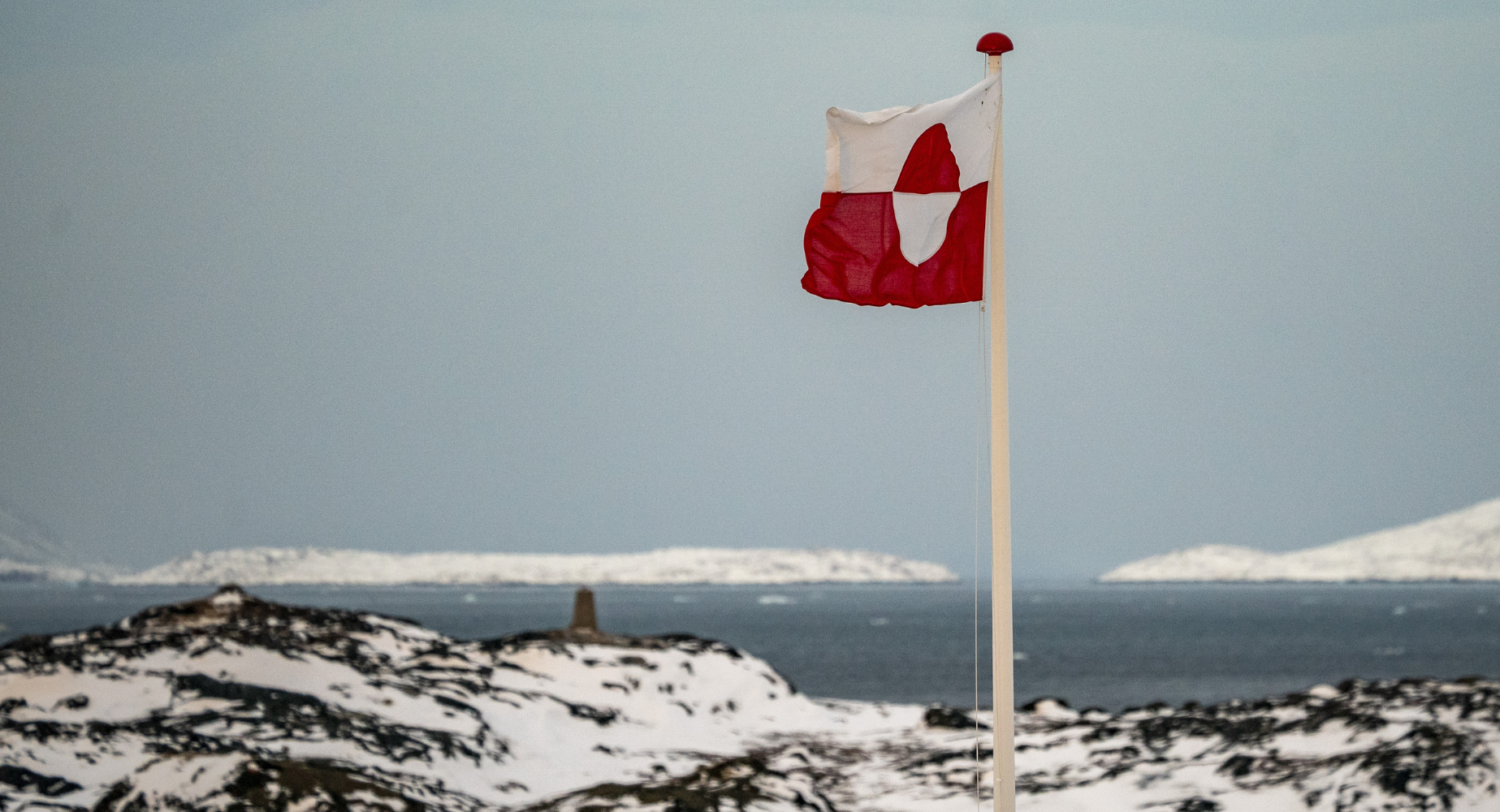
The Inter-American Development Bank should be central to the next chapter of Greenland’s development, with US backing. The island possesses enormous mineral wealth and significant port, road, and potentially digital infrastructure and energy infrastructure needs. Greenland’s development is tied to its importance to hemispheric Arctic security and missile defense; its people also maintain strong ties to Inuit communities in Canada and Alaska.
Danish claims to Greenland date back to a few Norwegian settlers in the 18th century, at a time when Norway was part of the Danish kingdom. Today, Greenland enjoys considerable autonomy. Notably, it is not part of the European Union but falls under the NATO umbrella via Article 6 (which covers “Islands in the North Atlantic”) of the NATO Treaty.
Greenland’s unique status significantly limits its access to loans from major multilateral banks such as the World Bank although it gets some support from the European Investment Bank, an entity that finances infrastructure projects in or related to the European Union.
This funding gap should be addressed by the Inter-American Development Bank (IDB), which has a long track record of working with high-income island states: the Dominican Republic, Trinidad and Tobago, and others in the Caribbean. Greenland is currently a regional territory of a non-regional country, Denmark, making it ineligible for IDB investment.
The emerging deal with the United States could change Greenland’s relationship with the IDB. Under this deal, the US will exercise sovereignty over its military bases in Greenland (similar to UK’s sovereignty over its military bases in Cyprus), specifically those areas of Greenland that will be the territory used for the Golden Dome. The US, as a regional member of the IDB (only regional members can be borrowers), could then be the borrower on behalf of Greenland. The US would thus have control over the project procurement with a counter-guarantee from or a back-to-back loan arrangement with Denmark. There is nothing in the IDB’s constitution that precludes such involvement, even though IDB informal “tradition” has limited lending above Mexico’s border.
A deeper partnership with the US could make available to Greenland the expertise and financial capacities of the IDB and would ensure Greenland is involved and consulted in decisions that shape its future. Such an approach meets the standards of Greenland’s guiding principle for its foreign policy, “Nothing about us without us.”
In addition, the IDB’s lending capacity is going to expand significantly thanks to recent changes by credit rating agencies. With Denmark and the US among IDB shareholders, and given the US’s growing closeness with Greenland, the bank has both the political and economic balance sheet to act.
Historically, colonial territories in the Caribbean under French or Dutch control have not benefited from IDB lending. However, this precedent need not dictate future policy. Given Greenland’s major infrastructure and mineral development needs—and the likely scale of future projects—IDB and its IDBInvest private sector arm should commit up to $1 billion per year in Greenland for the next ten years, with the US providing a financial backstop as a close partner.
US government instruments like the Development Finance Corporation should also be involved in Greenland’s future. But while the DFC has expanded its lending authority, only the IDB brings the specific, deep expertise in minerals, energy, ports, public finance, tourism, and natural resources management that Greenlanders care about but do not fully receive in their current partnership with Denmark. This knowledge is rooted in global best practices specifically tailored for the Western Hemisphere.
Any American-backed partnership with Greenland should build on existing Danish support but aim higher. With the US as a backstop, the IDB could become a pillar of the “Greenland deal.”
