After Iran’s despotic regime and its proxies have been defeated militarily and politically, the next war will already have begun. That war will be fought not only with swords, but with words and speech. It will be waged, in other words, against a virulent ideology masquerading as a theology: Islamism, the belief that Muslims must dominate the world and eliminate, or convert, all non-Muslims.
For many Islamists, the source of their hostility rests in the Quran and Islamic teaching about infidels (non-Muslims). The fundamental problem, therefore, is deciding what Islam means as a religion and a way of life, what it stands for, and who determines it. The battle is not only between Muslims and non-Muslims; it’s for the hearts and minds of those who follow Jihadism and a religious-based totalitarianism. This movement is working to suffocate the potential for a new Middle East, one based on tolerance, liberty and economic prosperity.
One potent issue is support for Wahhabism and the Muslim Brotherhood which is taught in a number of mosques and Muslim schools. Islamist-led insurgencies are also stoking the flames of hatred and intolerance through Africa, most notably in Sudan and Nigeria. As reported by Mathilda Heller in the Jerusalem Post, Iran and Islamism are supported and funded by a world-wide network of Muslim charities and “sleeper-cells” in Western countries that carry out terrorist acts.
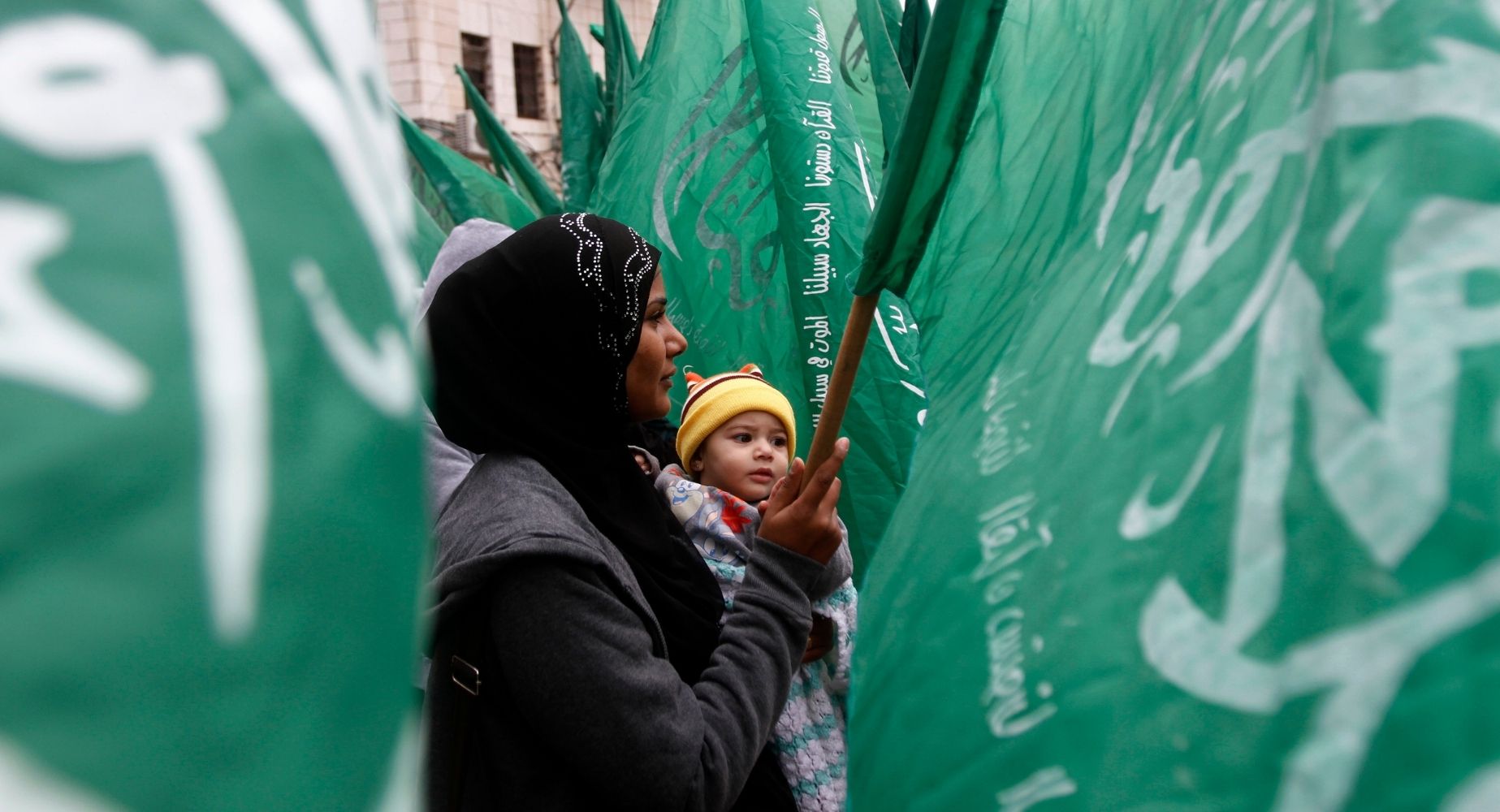
The US Treasury Department’s Office of Foreign Assets Control, for example, announced in mid-March that four bogus charities have funded the military wing of Hamas, three of which are based in Turkey. One of them, Hayat Yolu, functions as a headquarters and banking establishments for the Muslim Brotherhood. Treasury Secretary Scott Bessent said that “Hamas continues to finance its military wing by exploiting sham charities to support terrorist operations.” Why haven’t governments prohibited it and enforced the law? And, why do Muslim leaders accept this as a legitimate course of action?
Although Islam is considered to be one of the three monotheistic religions, some Muslims reject any acceptance of Judaism and Christianity and refuse to acknowledge a common source of divinity, along with its ethics and values. For both Shiites and Sunnis, for example, among supporters of Iran and the Muslim Brotherhood, murder, rape, and committing atrocities is acceptable when used against “enemies of Islam” as they see it.
Alas, some Muslim scholars who oppose ‘Radical’ Islamic regimes have remained silent. They are well-aware of the threat to their lives. As scholars dedicated to a spiritual perspective, however, they are also essential in providing a humanitarian alternative. Millions of lives are at risk. Muslims, as well, suffer disproportionately from terrorism; we all must work together to heal and make a better world. They have a moral obligation to speak up in defense of the human spirit and the fulfillment of a higher consciousness as a celebration of life.
The problem is that those Islamists and Muslim countries who support terrorist organizations represent an ideology and a theology that has become increasingly influential around the globe. Changing the way people think is difficult, but not impossible; it can be done in the aftermath of defeat, and a more realistic perspective, as happened after World War II in West Germany and Japan.
Muslim leaders, teachers and scholars who are opposed to what radical Islamists, such as the Muslim Brotherhood, Hamas and the Iranian Ayatollahs preach must be supported and protected. Radical Islamism is a Muslim problem, and only they can resolve it.
The legitimacy and integrity of all religions are based on promoting truth, honesty, and creativity, not destruction and blind obedience. Religions should promote critical thinking, not hatred and the suppression of dissent. Religions should inspire, not degrade the human spirit. Jew-hatred is a form of idolatry. That is the essence of monotheism.
Without an alternative to Islamism and Palestinianism we will drown in what Hamas calls “The Al-Aqsa Flood,” the Islamification of the West and the end of Western Civilization. The threat is real, and therefore, it is existential.
For those of us who seek tikkun olam, we ask, “How can I help?” We live for the answer.
